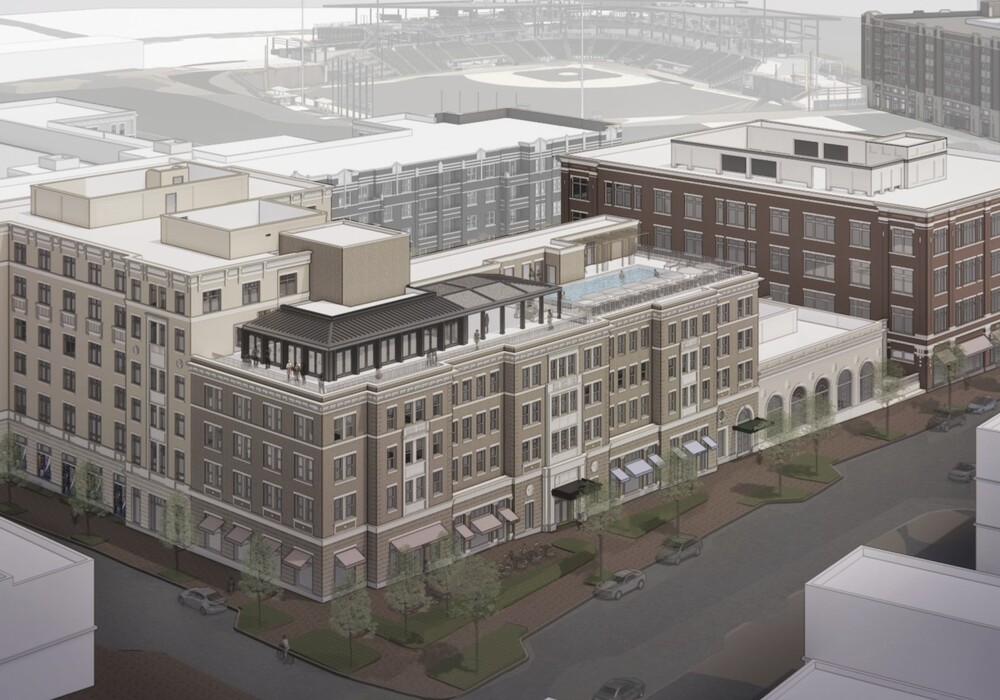

The Morgan Hotel is expected to become a signature destination and landmark in downtown Spartanburg's historic district.
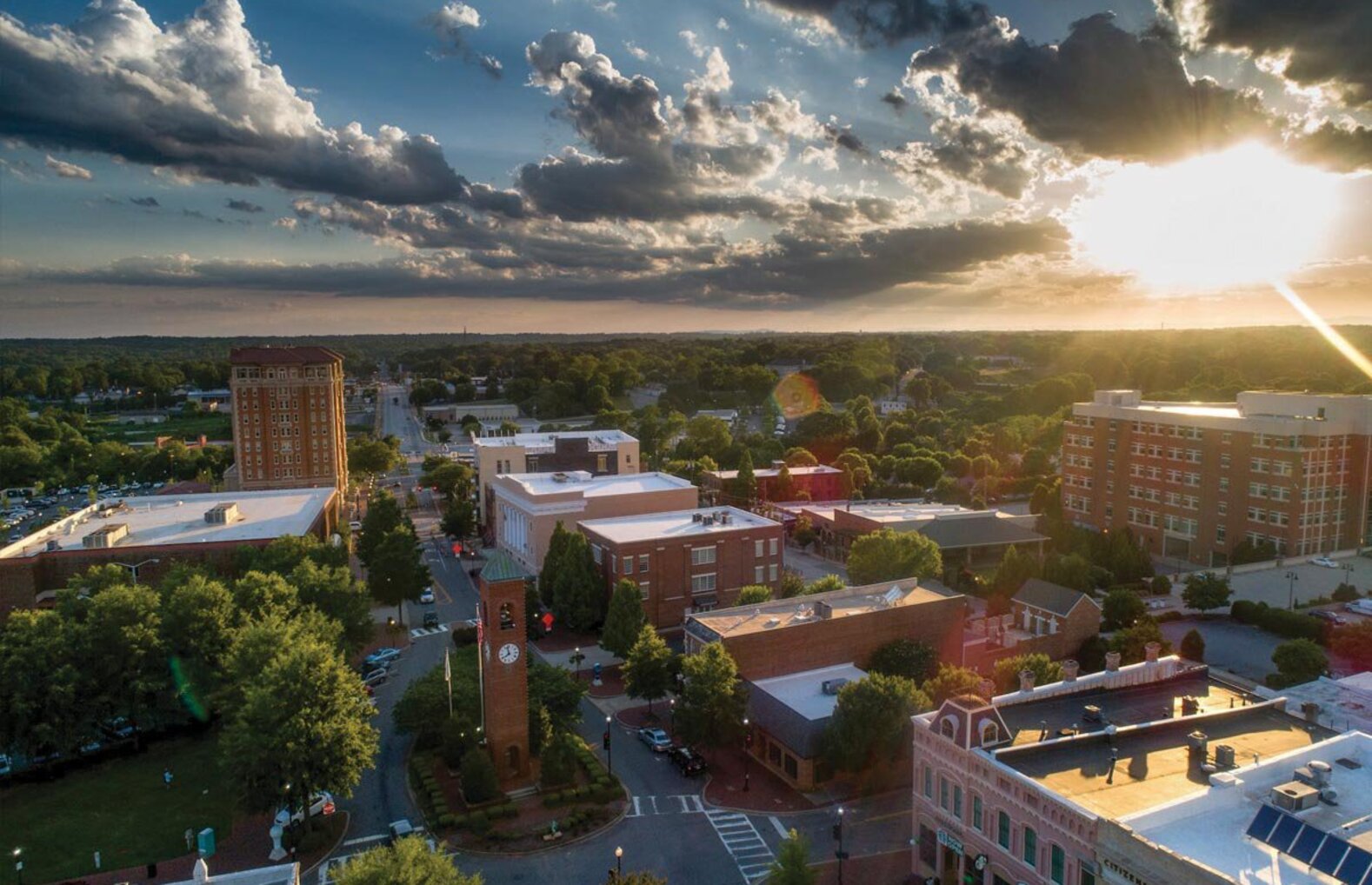
A 15-minute stroll through the heart of Spartanburg will reveal a downtown under heavy transformation – new hotels, residences, retail space, mutual government offices, even a new home for the city’s clock tower.
And all of it is intentional to create this 20-square-mile area into a nationally renowned downtown district by the end of the decade.
“Downtowns are vital for economic growth,” said Upstate S.C. Alliance President and CEO John Lummus “Having growing, planned, and successful downtowns makes the quality of life in a region increase, and this attracts talent and companies to the area.”
In the last year alone, OneSpartanburg, Inc., helped to attract 20 economic development projects on behalf of the city and county, totaling $3.5 billion in capital investment – accounting for more than one-third of the entire state’s investment in 2025, and outpacing the combined county efforts of Greenville, Charleston, York, Union, and Cherokee.
Augmenting this investment are a number of downtown projects, based in a 2025 study by Clemson University researcher Bob Brookover.
Part of the study indicated that downtown construction projects either underway or completed since 2017 will have an economic impact of $1.8B countywide.
Known as Project CORE, these development projects, all from David M. Schwarz Architects, include:
• Grain District Office Building. Anchoring the east end at 245 W. Main St. and serving as a new gateway to Spartanburg, this 7-story, 147,000-square-foot office building with ground floor retail space and lower-level parking is part of a 15-acre district redevelopment by the city and Johnson Development Associates.
• The Morgan Hotel. This 6-story venture at 189 W. Main St. combines a 99,300-square-foot office building with a 152-key hotel that will highlight ground floor event, a restaurant, and retail space. The exterior will correspond to the surrounding area with a look resembling early 20th-century commercial buildings.
• The Magnolia Block Residential Building. Featuring 175 units at the intersection of Broad Street and Daniel Morgan Way, this 5.5-story apartment building includes approximately 10,500 square feet of lobby, leasing offices, and amenity spaces – all wrapping a six-level pre-cast parking garage.
• Spartanburg Government Center. This 200,000-square-foot downtown civic building will unify local government services under one roof. The new facility will bring together city and county offices, shared council chambers, public meeting spaces, and welcoming indoor and outdoor areas.
Altogether, Project Core represents more than $500 million in private capital investment within a footprint of about three city blocks.
Other signs, already visible, are bearing out Brookover’s study.
In the past year, for example, Spartanburg’s hotel occupancy rate increased more than nine percentage points to 71.1% – meaning that on any given day, 71 of every 100 rooms were full.
The Hub City Spartanburgers, a minor league affiliate of the Texas Rangers, had a second successful season at the 3,600-seat Fifth Third Park.
In March, the city hosted the signature Carolinas Classic All-Star boys and girls basketball games for three consecutive years, with an odds-on chance to become the event’s permanent home.
In April, the city played host to its first-ever Heart Walk & Health Hustle, hosted by the American Heart Association.
September will also see the return of Fall for Spartanburg, fast becoming the city’s signature autumn event.
And coming soon, after much controversy and resident concern, is the city’s clock tower, scheduled to be rebuilt for about $800,000. A number of sites were considered for its rebuilding before city leaders determined that the 7-acre Barnet Park on E. St. John’s St. was the only one that met all the criteria, and, carried the lowest chance of having to be re-purposed in the future.
All of which, as another part of the study revealed, supports more jobs – 13,706 in total – than are found at BMW Manufacturing Co., the county’s largest employer.
“Having a nationally recognized downtown brings in 1) tourism; 2) attracts full time residents; 3) attracts the attention of businesses and corporations for downtown locations,” Lummus said. “Quality of life is one of the top factors that both companies and talent are looking for in a community – Businesses come to an area that is planned. A bustling downtown brings restaurants, shops, and entertainment – stores, restaurants, and bars follow. And as more people live downtown, more job growth occurs.”