
How many times have you seen it: You pick an early spring day to wash your car while enjoying the nice outdoors – and before you get your car home, it’s already filling up again with that pesky yellow substance known as tree pollen.
Along the way, you probably sneeze more than a few times – to the point where even your eyes need windshield wipers – and no matter how much you try to ignore it, your nose seems to be in training for the next Olympic marathon because now it’s running all the time.
And at least through parts of April, you’re going to experience a lot more of all three as Upstate pollen counts approach record levels.
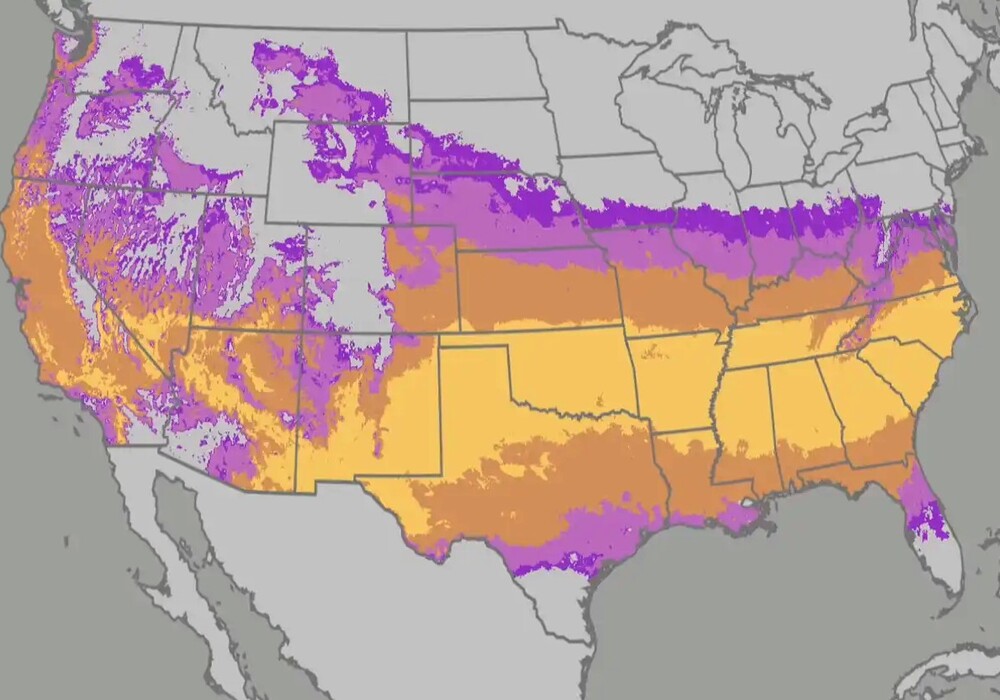
“We’re in that peak tree pollen season right now,” said meteorologist Sarah Tanks on March 24 in an online update for The Weather Channel. “Across the southern half of the country, we have very high pollen levels.”
How high?
The American Academy of Allergy, Asthma & Immunology, headquartered in Milwaukee, Wisc., but which operates nationwide allergy bureaus, including one in Greenville, S.C., put the March 30 Upstate pollen level at a count of 1,609 spores per cubic meter – or in layman’s terms, very high – with The Weather Channel forecasting these highs at least through April 9.
Why so high?
As AccuWeather senior meteorologist and climate expert Brett Anderson explained during the high counts in 2025: “As more fossil fuels are burned around the globe, rising carbon dioxide levels are contributing to increased pollen production.”
And if you think April showers are the answer, remember that pollen is greedy: as soon as the yellow stuff starts to fade, its early summer cousin grass enters the ring, later followed by third tag-team member ragweed and other weeds.
Which means if you are an allergy sufferer, you might have to wait until the next college football kickoff to see any noticeable change for the better.
“The combination of more rainfall that can boost plant growth, higher spring temperatures, longer growing seasons, and more carbon dioxide in the atmosphere triggering increased pollen production is the reason why more people are experiencing seasonal allergy symptoms for the first time,” Anderson said. “Many longtime allergy suffers are dealing with worsening symptoms.”
As bad as the Greenville-Spartanburg-Anderson-Union areas are, they aren’t even close to being the worst: In late March 2025, Atlanta, Ga., scored a national record pollen count level of 14,801 spores per cubic meter – shattering the old record by more than 5,000 spores.
And with CDC estimating that nearly 1 in 3 people suffer from some form of allergy, Anderson pointed out that allergy season is also lasting one to four weeks longer in many parts of the country, compared to 50 years ago, and that the trend is expected to continue over the next decade.
“Seasonal allergies are getting worse for millions of people as our climate continues to warm,” he said.
So what can you do? Well, one idea is to shower and change your clothes to remove pollen picked up outside – and to ignore any persistent spores that will probably still find your nose and eyes and skin.
Or you could keep your windows shut and use air conditioning to minimize indoor pollen – the key word being minimize.
If your allergy is really bad, you could see a doctor for the latest pollen weapons.
Or since April has arrived, you could try taking heart from the old song about April showers.
“I think everyone is on edge waiting for some heavier rain to wash away the yellow stuff,” said TWC meteorologist Briana Waxman.
But if none of this works like you hope – and it probably won’t – you might try a novel, psychological approach: Kickoff is only five months away.